Patagonia, End of the Map
A working estancia at the edge of the park, horses rather than buses, weather treated as the itinerary's co-author.
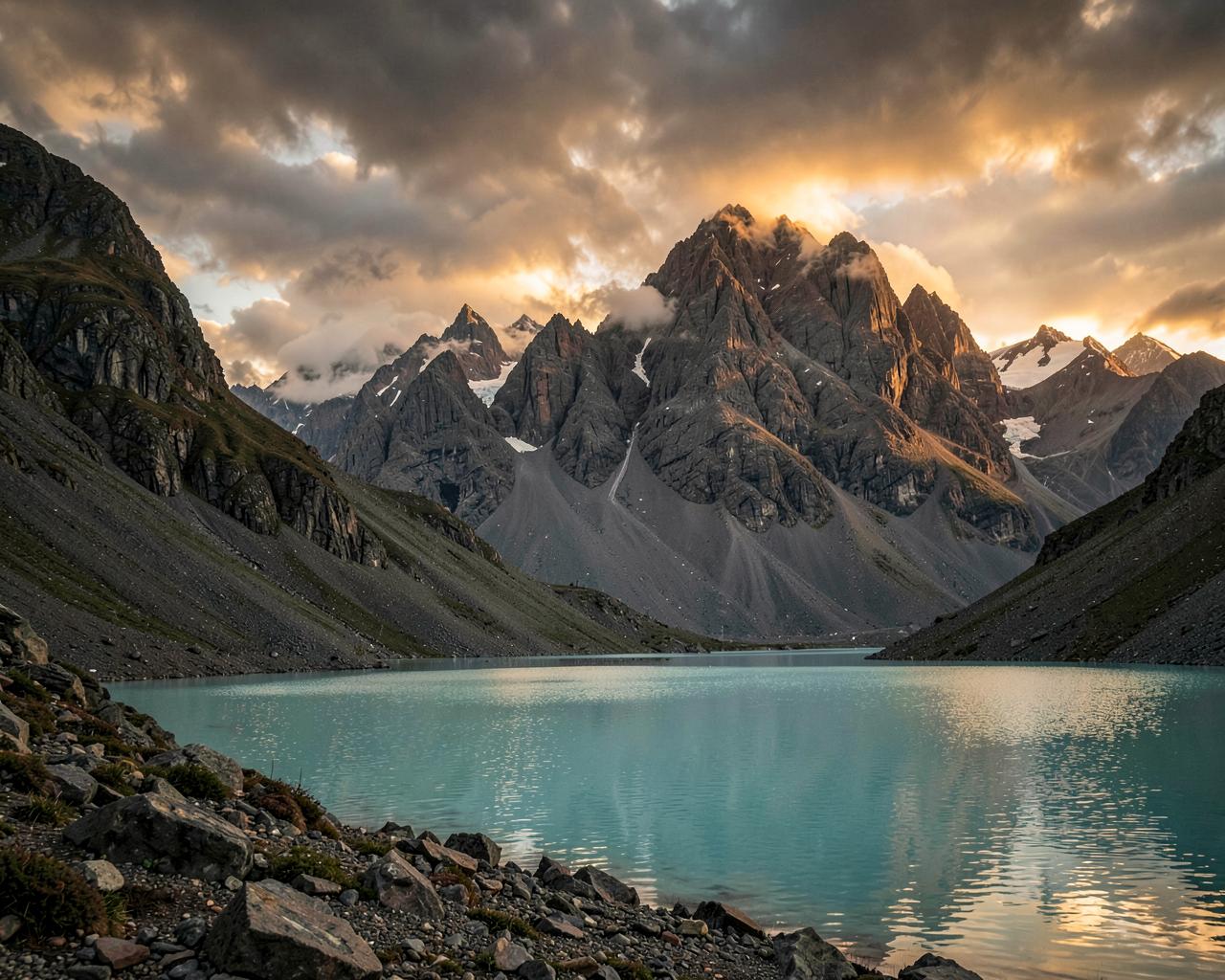
Patagonia is a routing problem before it is a travel one. Eight nights is the shortest honest length: two are consumed by distance, and two more are held empty because the weather here does not negotiate.
You stay on a working estancia at the edge of the park rather than inside the hotel corridor. Horses replace buses for most of the moving, which changes both the pace and the company.
The buffer days are the part clients later say mattered most. When a front closes the towers for a day, nothing is lost — the plan already assumed it, and the day becomes the one on the estancia rather than a cancellation.
- Region
- Latin America
- Length
- Eight nights
- Best season
- November to March, with December the most reliable
- Pace
- Long days, with two days held empty on purpose.
Destination conditions
Weather for the days you are actually there
Destination conditions
Name a place above and add your dates — we will read the weather there for your stay.
Highlights
What the design actually buys you
A working estancia
At the park's edge, not in the hotel corridor. Family table, real horses.
Two buffer days, designed in
Weather is assumed, not hoped against. Nothing is cancelled, only reordered.
Riding rather than transferring
Most movement on horseback with a guide who works the land year-round.
One night under the towers
A single remote night, arranged only when the forecast supports it.
Every connection reconfirmed
Regional flights re-checked daily; ground alternatives held in reserve.
Yours would read differently.
This is a study in design, not a package. Nothing here is sold as written.